
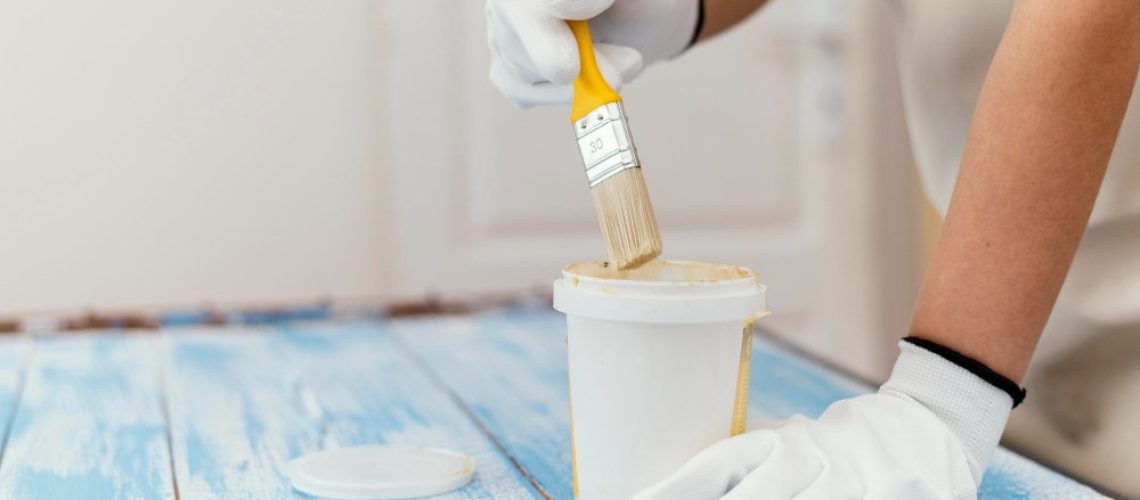
Painting kitchen cabinets seems like a simple way to refresh a tired kitchen. A new coat of paint can instantly brighten up the space and give it a modern look without the cost of a full renovation. However, many homeowners run into trouble because they underestimate the process. Cabinet painting is not quite the same as rolling paint on walls—it requires patience, preparation, and a few specific techniques to get a smooth, lasting finish.
In this blog, we will look at five common mistakes people often make when painting their kitchen cabinets. By understanding these, you’ll know what to avoid and what steps actually matter when you decide to tackle your kitchen update.
Mistake 1: Skipping the Preparation Work
One of the most overlooked steps in cabinet painting is preparation. It is tempting to rush straight into painting, but cabinets need careful prep.
Why it matters:
- Cabinets collect grease, dirt, and dust from daily cooking.
- Without cleaning and sanding, paint won’t stick properly.
- Skipping prep often leads to peeling or chipping within months.
Preparation checklist:
| Step | What to Do | Why It Helps |
| Cleaning | Wipe cabinets with a degreaser or mild soap solution | Removes grease and residue |
| Sanding | Lightly sand surfaces | Helps paint adhere evenly |
| Priming | Apply a quality primer | Prevents stains and ensures smooth finish |
Mistake 2: Using the Wrong Type of Paint
Not all paints are suitable for kitchen cabinets. Some paints look fine initially but fail quickly in a kitchen environment where moisture, heat, and constant handling are common.
Key considerations:
- Latex paints are popular but may feel soft and less durable for cabinets.
- Oil-based paints give a harder finish but take longer to dry.
- Special cabinet paints are designed for durability and resist stains better.
The choice depends on how much wear your kitchen sees. If you want a professional-quality result, even consulting experienced kitchen cabinet painters can make the difference.
Mistake 3: Painting Over Hardware and Hinges
Many DIY painters think it’s easier to leave hardware and hinges in place. But painting over them leads to sloppy edges, peeling around screw holes, and uneven finishes.
The better approach:
- Remove all doors, drawers, knobs, and hinges before painting.
- Label each door and hinge location so reassembly is simple.
- Store screws in small bags to avoid losing them.
Taking this extra step may feel tedious, but it ensures a crisp, clean look once the paint job is complete.
Mistake 4: Rushing the Process
Painting cabinets is not a one-day task. The most common error is rushing coats of paint or skipping drying times.
Problems caused by rushing:
- Brush marks and uneven strokes.
- Sticky surfaces that never fully cure.
- Paint lifting when doors are handled too soon.
Tip: Allow primer and each coat of paint to dry completely before adding the next. In some cases, a project may stretch over several days, but the final result will be smoother and longer-lasting.
This is one reason why many homeowners choose to work with a Kitchen Cabinets Refinishing Company Akron, as professionals already know the right drying times and finishing methods.
Mistake 5: Forgetting the Finish and Protection
Even after painting, cabinets need a protective layer. A clear topcoat or sealer provides durability against scratches, spills, and everyday use.
Why finishing matters:
- Protects paint from moisture damage.
- Makes cleaning easier.
- Extends the life of the cabinet surface.
Skipping this step often means the paint job will wear out faster, especially around handles and edges that get the most use.
Bringing It All Together
When done correctly, painting kitchen cabinets can transform a kitchen without the high price tag of replacement. But as we’ve seen, the mistakes often happen in the small details—like skipping prep, using the wrong paint, or hurrying through the steps. Avoiding these errors gives you a smoother, more professional-looking finish that lasts.
Some homeowners enjoy the process as a DIY project, while others prefer to call in skilled professionals such as Rock Solid Painting. With experience in cabinet refinishing and interior painting, professionals can save you time and prevent costly errors that might require rework later.
Quick Recap: Do’s and Don’ts
Here’s a simple summary to keep in mind before starting:
Do’s
- Clean, sand, and prime before painting.
- Choose durable paints made for cabinets.
- Remove all hardware before painting.
- Allow drying time between coats.
- Add a protective finish.
Don’ts
- Paint directly on greasy or glossy surfaces.
- Use wall paint instead of cabinet-specific paint.
- Rush the process.
- Skip labeling doors and hinges.
- Forget the final protective coat.
Final Thoughts
Painting your kitchen cabinets is one of the most effective ways to refresh your kitchen. However, as simple as it may sound, it’s also easy to make mistakes that affect the quality and durability of the finish. Whether you decide to handle it yourself or look for affordable house painters who specialize in cabinetry, paying attention to the process will always pay off.
And if you’re considering other upgrades beyond your kitchen, remember that experienced teams also provide Exterior House Painting Service Akron, which can give your whole home a fresh new appeal.
Taking the time to avoid these mistakes means your painted cabinets won’t just look good today—they’ll stay looking good for years to come.